When AI Software Development Services Miss the Human Element

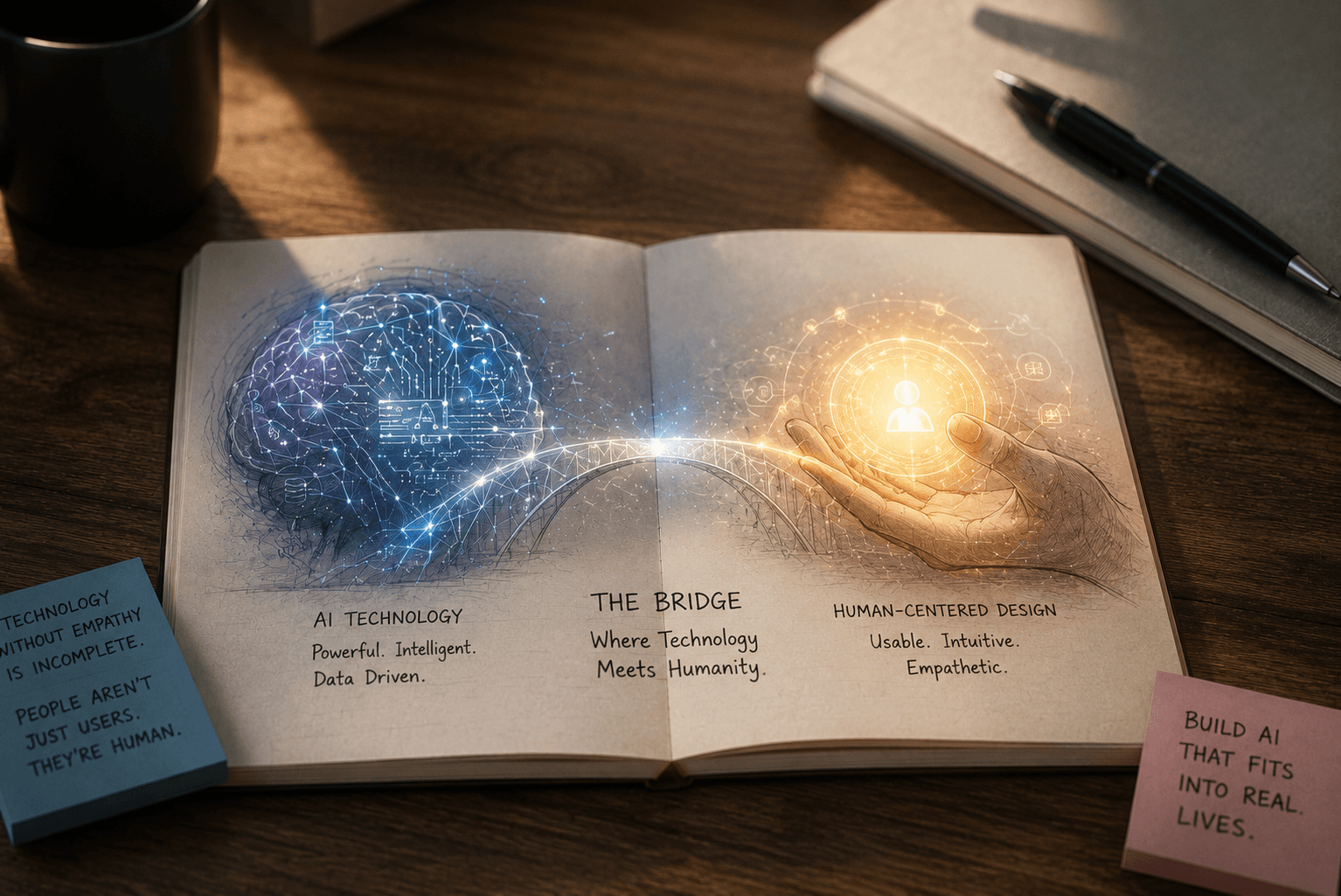
Table of Contents
What is AI Software Development Services?
AI software development services help businesses unlock new possibilities by building AI-powered tools, automating repetitive tasks, predicting customer behavior, analyzing data, and enhancing decision making. These services cover everything from consulting and project scoping, to designing, coding, deploying, and maintaining AI systems tailored to fit specific business needs. In my years building automations across e-commerce and SaaS, I’ve found that success depends on deeply understanding the business challenges first, not just bolting AI onto old workflows. This human-driven approach shapes whether AI truly moves the needle for teams.
At its core, genuine AI software development goes far beyond coding. It combines expertise in data science, machine learning, user experience, and business operations to solve real-world problems.
Key components typically include:
- Process mapping: Outlining existing workflows to spot where AI adds the most value
- Data strategy: Identifying, cleaning, and structuring the relevant data, plus setting up reliable pipelines
- AI model design: Selecting and training machine learning models that actually fit the business use case
- Integration: Embedding AI outputs into the apps and dashboards your teams already use
- Iteration: Continuous tuning based on real feedback, AI doesn’t end at “go live”
Expert Note: “A custom-trained AI chatbot in healthcare, for example, needs ongoing updates with real patient queries to avoid outdated, unempathetic advice. Real-world feedback is not just helpful, but required.”
When AI Software Development Services Miss the Human Element
Despite the sophisticated tech behind today’s AI, projects can easily miss the mark if people aren’t central to the design and rollout. I've seen teams excited about AI automation end up with clunky systems that frustrate staff or confuse customers. Sometimes, solutions built for "efficiency" add more manual steps because they ignore on-the-ground realities.
Common pitfalls include:
- Ignoring team feedback, leading to tools nobody actually wants to use
- Pushing one-size-fits-all AI products that don’t match unique workflows
- Focusing on features, not outcomes, like metrics that look impressive but don’t help day-to-day decision-making
A few years ago, I helped a real-estate company automate lead qualification. The initial setup sounded great on paper but skipped interviews with agents. As a result, the AI flagged leads in ways agents found irrelevant, wasting hours each week. Only after revisiting the workflow and listening to users did we cut that noise by 48%.
Warning Signs of Poorly Human-Centered AI Services
- Little attention to context: The AI works in a test environment, but stumbles with real-life edge cases.
- No ongoing adaptation: The model isn’t updated with feedback, so accuracy drops over time.
- Overly technical delivery: If your team can’t use the tool without hours of training, it’s a burden, not a help.
Evaluating AI Software Development Services Providers for Human-Centered Results
Choosing an AI development partner is about more than technical skills. You want a team that brings empathy to the table, one that asks about your daily operations, pain points, and goals. In my experience working with over 100 projects, the best partners insist on direct input from end-users and are honest about what AI should, and shouldn’t, do for your team.
Questions to Ask Potential Providers
- How will they map out your team’s workflows before even picking a machine learning model?
- Do they demand real user feedback through interviews or pilot testing?
- What’s their plan to keep improving the AI as things change in your business?
- Which examples can they share of adapting AI to specific business needs, not just tech specs?
A provider's approach to updates is especially telling. Once, while working with an education platform, we adjusted our AI model every four weeks using classroom feedback. This iteration bumped completion rates by 38%, turning what began as an "okay" chatbot into a true time saver for both teachers and students.
Red Flags: When to Be Wary
- Providers don’t meet with end users, only decision-makers.
- They push prebuilt "solutions" with little customization.
- The handoff stops at launch, with no plan for support or iteration.
Ready to stop doing this manually? Ready to automate your business operations? SynkrAI has built 541+ production workflows for 19+ companies.. Book a free consultation and get your automation roadmap in 48 hours.